
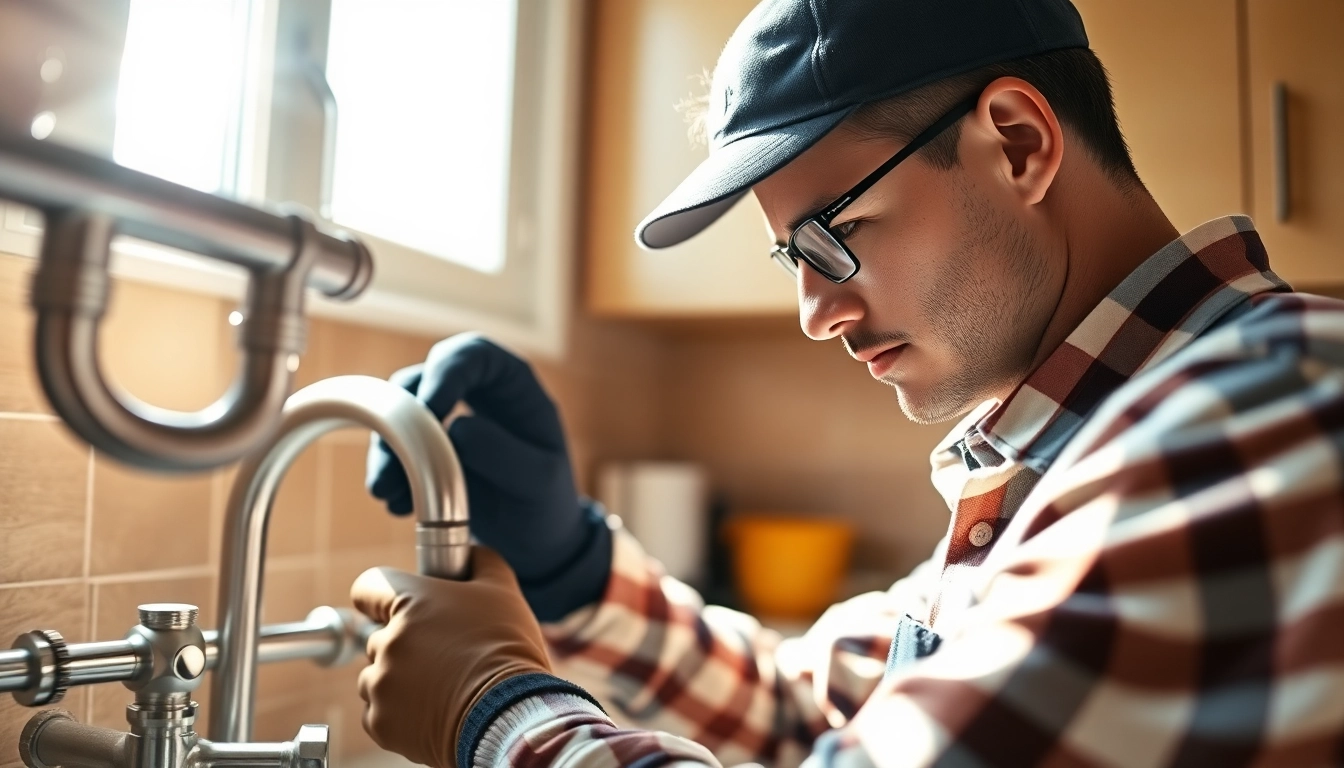
Understanding Whole House Repiping
What is Whole House Repiping?
Whole house repiping involves replacing the existing plumbing system in a home. This process is necessary when the pipes are old, corroded, leaking, or have degraded to the point where repairs are no longer efficient or cost-effective. The goal of repiping is to enhance the reliability and safety of the plumbing system while improving the quality of the water supply. During this process, all water supply lines, including connections to fixtures, are replaced with modern materials that offer better durability and resistance to corrosion. For residents concerned about their plumbing infrastructure, understanding whole house repiping services St Petersburg FL can help ensure peace of mind.
Signs You Need a Repiping Service
Recognizing the signs that indicate a need for repiping is crucial. Homeowners should be vigilant for the following issues: - Frequent Leaks: If you find that plumbing leaks occur regularly, it could indicate deteriorating pipes. - Discolored Water: Rusty or brown water suggests corrosion within pipes. - Low Water Pressure: Decreased pressure may point to blockages or leaks in the piping network. - Unpleasant Odors: A foul smell emanating from taps can signify decaying pipes or a venting issue. - Age of the Plumbing: Homes built over 50 years ago typically have outdated plumbing materials that may need replacement. Addressing these signs promptly with professional assistance can prevent more extensive damage and costly repairs down the line.
Benefits of Whole House Repiping
Whole house repiping offers a multitude of advantages for homeowners: - Improved Water Quality: New pipes eliminate issues with rust and sediment, leading to cleaner water for consumption. - Increased Property Value: A modern plumbing system improves a property's resale value and appeal to potential buyers. - Enhanced Water Pressure: New piping can improve flow rates dramatically, enhancing the experience in showers, sinks, and appliances. - Reduced Risk of Future Repairs: Investing in repiping can prevent unforeseen plumbing failures, saving you money in long-term repair costs. - Energy Efficiency: Properly functioning pipes can improve the efficiency of water heaters and boilers, reducing energy bills. These benefits make repiping a worthwhile investment for many homeowners.
Choosing Professional Repiping Services
How to Select the Right Contractor
Selecting the right contractor for whole house repiping is essential. Here are key considerations: - Experience and Expertise: Choose a contractor with a proven track record in repiping projects. Ask for references and reviews. - Detailed Estimates: A reputable contractor should provide a comprehensive estimate outlining labor, materials, and timelines. - Warranty on Work: Ensure the contractor offers warranties on both materials and labor to protect your investment. - Licensing and Insurance: Verify that the contractor holds the necessary licenses and insurance to perform plumbing work in your area. Interview multiple contractors to weigh their proposals and ensure you make an informed decision.
Questions to Ask Your Plumbing Service
Before committing to a plumbing contractor, ask these essential questions: 1. What is your experience with whole house repiping? 2. Can you provide references from previous clients? 3. What materials do you recommend and why? 4. Are your technicians licensed and insured? 5. What are the estimated timelines for the project completion? These inquiries will give you insight into the contractor's capabilities and build your confidence in their ability to complete the job.
Certifications and Licensing: Why They Matter
Licensing and certifications are more than compliance; they signify professionalism and adherence to industry standards. A licensed plumber: - Is Trained and Qualified: Undergoes rigorous training and examinations. - Adheres to Safety Codes: Ensures that all installations follow local and national codes. - Protects Homeowners: Carries liability insurance to shield homeowners from accidents or damage during work. Choosing a licensed contractor will ensure the work is executed safely and to a high standard.
Materials Used in Repiping
Copper vs. PEX: Which is Best?
When considering repiping, two prevalent materials dominate the market: copper and PEX (cross-linked polyethylene). - Copper: Known for its longevity and resistance to microbial growth, copper offers a proven track record but comes with a higher initial cost. It can withstand high temperatures and is recyclable, making it an environmentally friendly option. - PEX: This newer material is favored for its flexibility and ease of installation. PEX is resistant to freezing and does not corrode, which can translate to lower maintenance over time. However, it has limitations regarding exposure to UV light and is not suitable for outdoor applications. Ultimately, the choice between copper and PEX will depend on specific needs, budget, and local building codes.
Cost Implications of Different Materials
Understanding the cost differences between various materials is pivotal for budgeting a repiping project. Key considerations include: - Material Costs: Copper is typically more expensive than PEX, which can lead to higher overall project costs. - Labor Costs: The installation process for copper pipes is often more labor-intensive than for PEX, potentially increasing labor costs. - Maintenance Costs: PEX may reduce long-term maintenance costs due to its resistance to corrosion. Copper may require additional services to maintain its integrity. Evaluating upfront and ongoing costs is crucial for making an informed decision.
Longevity and Maintenance of Pipe Materials
The longevity of repiping materials can significantly impact your long-term investment. Here's a comparative view: - Copper: Can last 50 years or longer with proper maintenance but requires periodic inspection for corrosion in high-alkaline areas. - PEX: Offers a lifespan of 40 to 50 years with low maintenance needs. It is less prone to damage from freezing and does not corrode. Both materials have advantages; selecting the right one based on local conditions can help ensure that your repiping investment pays off over the long haul.
Whole House Repiping Process Explained
Step-by-Step Guide to Repiping
The repiping process typically unfolds in several key stages: 1. Assessment: A thorough inspection of your home’s plumbing system is conducted, identifying specific areas needing replacement. 2. Planning: The plumbing layout is developed, considering the best materials and methods. 3. Permits: Necessary permits should be secured to ensure compliance with local codes. 4. Removal of Old Pipes: Existing plumbing is carefully removed to make way for the new system. 5. Installation: New pipes are installed according to the approved layout. 6. Testing: The new system is tested for leaks and pressure issues before the final inspection is conducted. 7. Restoration: Any disruption to drywall or flooring is repaired. Following this structured approach ensures a smooth and efficient repiping process.
Timeline for a Complete Repiping Project
A whole house repiping project typically takes anywhere from one to three days, depending on the home's size and complexity. Factors influencing the timeline include: - The extensive nature of existing plumbing: More extensive systems tend to require longer installation times. - Accessibility: Easier access to hidden pipes may reduce project duration. - Experience of the crew: Skilled plumbers can complete tasks more efficiently. Discussing the timeline with your contractor beforehand can align expectations regarding the disruption to your daily life.
Preparing Your Home for Repiping
To ensure the repiping process runs smoothly, homeowners should prepare as follows: - Clear the Work Area: Remove furniture and belongings from areas where pipes will be replaced. - Plan for Temporary Water Shutoff: Communicate with your family about potential water shutdown periods. - Secure Pets: Make arrangements to keep pets away from work areas for their safety. Being proactive in your preparations can help mitigate frustrations during the installation.
FAQs about Whole House Repiping Services
How long does whole house repiping take?
The timeline for repiping a home usually ranges from one to three days, depending on the size and complexity of your plumbing system.
What is the average cost of repiping a house?
The cost can vary significantly, averaging between $4,000 to $15,000 depending on the size of your home and the type of materials used.
Can I live in my home during repiping?
While some work may be done during your normal routine, expect water shutoff periods and limited access to certain areas of your home.
What warranties come with repiping services?
Most professional plumbing services provide warranties on both labor and materials, but it's essential to confirm specifics with your contractor.
How often should I consider repiping?
Repiping is typically recommended every 50 years or when significant plumbing issues arise that cannot be rectified through repair.