Understanding Bed Bugs: What You Need to Know
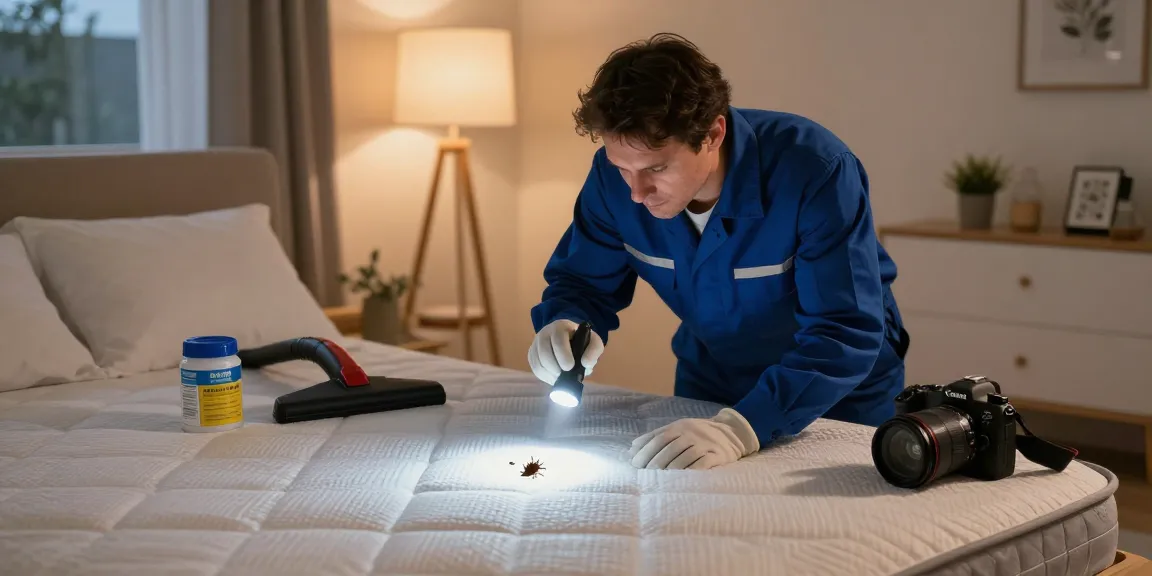
Bed bugs are microscopic pests that have been making a notorious comeback in recent years, causing distress in homes and businesses alike. These small, wingless insects are often mistaken for their relatives, but with a closer look, one can identify their distinct characteristics. Understanding their behavior, biology, and how they infiltrate our living spaces is crucial in overcoming an infestation. When exploring options, bed bug exterminators provide comprehensive insights into controlling these resilient pests.
What are bed bugs and how do they infest homes?
Bed bugs, scientifically known as Cimex lectularius, are small, parasitic insects that feed exclusively on the blood of humans and animals. Adults are about the size of an apple seed, typically reddish-brown, and can live for several months without feeding. These pests thrive in environments where their hosts sleep, making beds, couches, and other furniture prime targets for infestation. The most common ways these bugs enter homes include:
- Hitchhiking on luggage, clothing, or personal items during travel
- Moving in through walls from neighboring infested units
- Utilizing used furniture or bedding that may harbor hidden eggs or adults
Common signs of a bed bug infestation?
Identifying a bed bug infestation early on is vital for successful eradication. Here are some common signs to look out for:
- Itchy, red welts: Many individuals experience bites that may appear in a line or cluster.
- Bloodstains: Small blood stains may appear on your sheets or mattress from crushed bugs after feeding.
- Dark spots: Look for dark, inky spots, which are actually bed bug droppings.
- Eggs and shells: Unhatched eggs and shed skins can be found in hidden crevices.
Why is professional help crucial for extermination?
While DIY methods may seem cost-effective, bed bugs are notoriously resilient, and professional extermination is often necessary for complete eradication. Bed bug exterminators have access to specialized tools, targeted treatments, and in-depth knowledge about these insects. They can:
- Develop tailored treatment plans based on the severity of the infestation.
- Utilize commercial-grade pest control products that are not accessible to the general public.
- Provide follow-up inspections to ensure the problem has been fully resolved.
Evaluating Bed Bug Exterminators: Key Considerations
Choosing the right bed bug exterminator can mean the difference between a successful eradication and a prolonged battle against these pests. Here are several considerations when evaluating exterminator options:
What qualifications should bed bug exterminators have?
When selecting an exterminator, it is essential to ensure they are licensed and certified to operate in your state. Look for professionals who have undergone specialized training in bed bug control, as this indicates a deeper knowledge of effective eradication strategies and pest biology.
How can you assess their treatment methods?
Not all exterminators use the same techniques. Inquire about the methods they employ, including:
- Heat treatments: Which involve raising the temperature of the infested area to a level lethal for bed bugs.
- Chemical treatments: These utilize insecticides that create a lasting barrier to prevent future infestations.
- Combination approaches: Some may offer integrated pest management strategies that use both heat and chemical solutions for comprehensive treatment.
What customer reviews can reveal about their service?
Customer reviews can provide invaluable insight into an exterminator’s reliability and effectiveness. Look for testimonials detailing the experiences of past clients, especially regarding the thoroughness of treatment and customer service. Additionally, consider checking ratings on third-party review sites, as they may present a more unbiased view.
Types of Bed Bug Treatments Offered
Understanding the various treatment options available can help you make an informed decision about how to address your bed bug issue. Common treatments include:
What is heat treatment and how does it work?
Heat treatment is an eco-friendly method that involves raising the temperature in an infested area to around 120°F (48°C) or higher. This temperature is deadly to bed bugs and their eggs. The process generally takes several hours and can effectively eliminate bed bugs at all life stages, offering long-lasting peace of mind as it also targets allergens in the environment.
Understanding the advantages of chemical treatments?
Chemical treatments involve the application of insecticides that create a residual barrier lasting up to 120 days. These products are designed to eliminate bed bugs on contact and to provide prolonged protection against re-infestation. However, they may require preparation and follow-up treatments to ensure effectiveness, as some bed bugs can survive initial applications.
Combination treatments: what are they and how effective?
Combination treatments leverage the strengths of both heat and chemical methods, typically to enhance overall efficacy. This dual approach maximizes the chances of extermination and is especially beneficial for complex cases where bed bugs have established themselves in hard-to-reach areas.
Cost and Value: Making Sense of Extermination Expenses
The cost of bed bug extermination can vary widely, influenced by various factors such as the severity of the infestation, the size of the area being treated, and the methods employed. Understanding these components can help you evaluate the overall value of extermination services.
What factors influence the cost of bed bug extermination?
A few key factors that might affect your costs include:
- Size of the infested area: Larger spaces typically require more time and resources to treat.
- Type of treatment chosen: Some methods, such as heat treatment, may cost more upfront but could lead to faster results.
- Frequency of treatments: If a follow-up is needed, it can add to the overall expense.
How do you evaluate the value of different extermination services?
Price is essential, but it shouldn’t be the only consideration. Evaluate the overall value by factoring in:
- Effectiveness of the treatment methods
- Duration of pest control coverage
- Customer service and support post-treatment
Are there budget-friendly options without compromising quality?
Yes, many bed bug exterminators offer tiered pricing based on services provided. Look for companies that provide limited-preparation options or package deals. While one might not be the cheapest, a focus on value often results in better long-term savings, particularly when dealing with pests.
Preparing Your Home for Extermination
Preparation is critical for ensuring a successful bed bug treatment. Here are steps to take before the exterminators arrive:
What steps should you take before the exterminators arrive?
Clear the area to allow for unimpeded access to infested zones. This may include:
- Removing bedding and washing it on the hottest setting.
- Vacuuming carpets and furniture.
- Decluttering the space to limit hiding spots.
How to minimize disruption during the treatment process?
Communicate with your exterminator about your concerns and schedule. Clearing a designated treatment area and ensuring pets are kept away from the service zone will help minimize disruption during the treatment process.
Post-treatment care: what to expect?
After treatment, it’s vital to follow any specific guidance provided by the exterminators, such as waiting to re-enter treated areas until the insecticides have adequately dried. They may recommend monitoring for new signs of bed bugs, as it can take time for residual effects to occur.
How can you prevent future infestations?
Preventing future infestations involves regular monitoring of your living spaces, especially after traveling. Consider implementing a few preventive measures:
- Encasing mattresses and box springs in protective covers.
- Regularly vacuuming and inspecting luggage after travel.
- Educating members of your household about signs of bed bugs.
What professional help will ensure long-term results?
Continued inspections and periodic maintenance treatments can help in the long run. Regular check-ups by experienced pest control professionals ensure any burgeoning issues are identified and addressed before they escalate into significant problems.
Are K9 inspections an effective solution?
Yes, K9 inspections offer a non-invasive method of detecting bed bugs. These specially trained dogs can sniff out bed bugs even in their egg stage, making them an excellent resource for verifying the presence of infestations before treatment begins.